
DESTINATION GPS
Coastal Culture
Coastal Culture
In Atlantic Canada, it’s the local stories and experiences that bring people together.
Atlantic Canada feels refreshingly real, with impromptu moments that bring personality to a journey and make each experience feel special. It’s not uncommon to receive a warm welcome from a local on the sidewalk, or be invited to share a meal around a family’s table. Stories continue to be passed between generations, while new lessons about old traditions are still practiced today. Across the region’s four distinct provinces, travelers can step into the culture of coastal communities, meet the people who know the area best, and experience its landscapes with a deeper understanding of what surrounds them. From New Brunswick and Nova Scotia to Newfoundland and Labrador, and Prince Edward Island, these personal encounters add another dimension to Atlantic Canada’s dramatic scenery.

Meet the Makers
Spend time with the people keeping creative traditions alive and thriving. At Deanne Fitzpatrick Studio in Nova Scotia, tour the renowned fiber artist’s colorful workspace, then try your hand at rug hooking over lunch. In Shelburne, a local potter at Dirt to Dishes welcomes guests into her historic seaside studio for a hands-on weekend of wheel throwing, glazing, and sculpting. Be sure to visit Cape Breton, where Celtic and Mi’kmaq influences have shaped one of North America’s most vibrant musical cultures. Take in a traditional ceilidh, a social event where live Celtic music, storytelling, food, and warm hospitality connect you with the traditions of these communities.

Pull Up a Chair
There’s a special connection here between land, sea, and table. Prince Edward Island is known as Canada’s Food Island, where visitors can experience the land through the eyes and hands of local producers by blending a custom spirit at Deep Roots Distillery, tasting their way through the Prince Edward Island Shellfish Festival, or even following the island’s famed “cinnamon-roll trail” to dozens of bakeries, cafés, and restaurants. Meanwhile in New Brunswick, Le Festival Acadien de Caraquet celebrates the region with traditional food, cooking demonstrations, and music every summer, while Nova Scotia hosts its own Acadian festivals, including the Festival de l’Escaouette on Cape Breton Island.
Hear the Stories
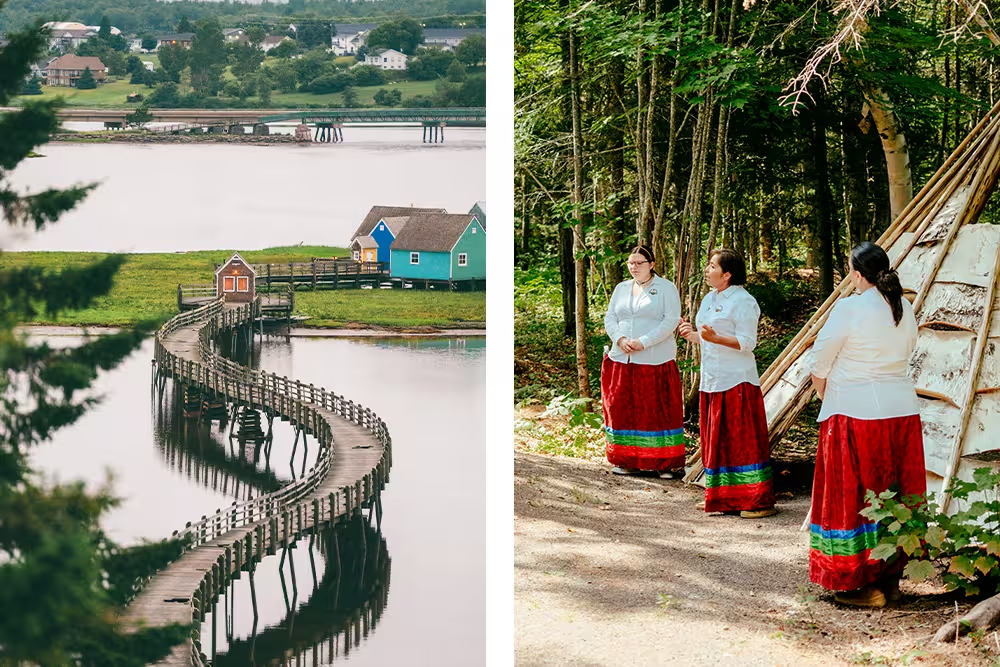
Cultural traditions are constantly evolving in Atlantic Canada, and they’re best experienced through the people who are carrying them forward. At the Canadian Museum of Immigration at Pier 21 in Halifax, Indigenous artists from Tribal Fusion Art host a mosaic glass-art workshop and share the stories behind an exhibit devoted to “Turtle Island,” the Indigenous name for North America. In New Brunswick, Acadian festivals fill the calendar with music, food, and celebration, while the open-air Village Historique Acadien museum and Pays de la Sagouine cultural park offer deeper glimpses into Acadian history and contemporary culture.
Go Into the Wilderness
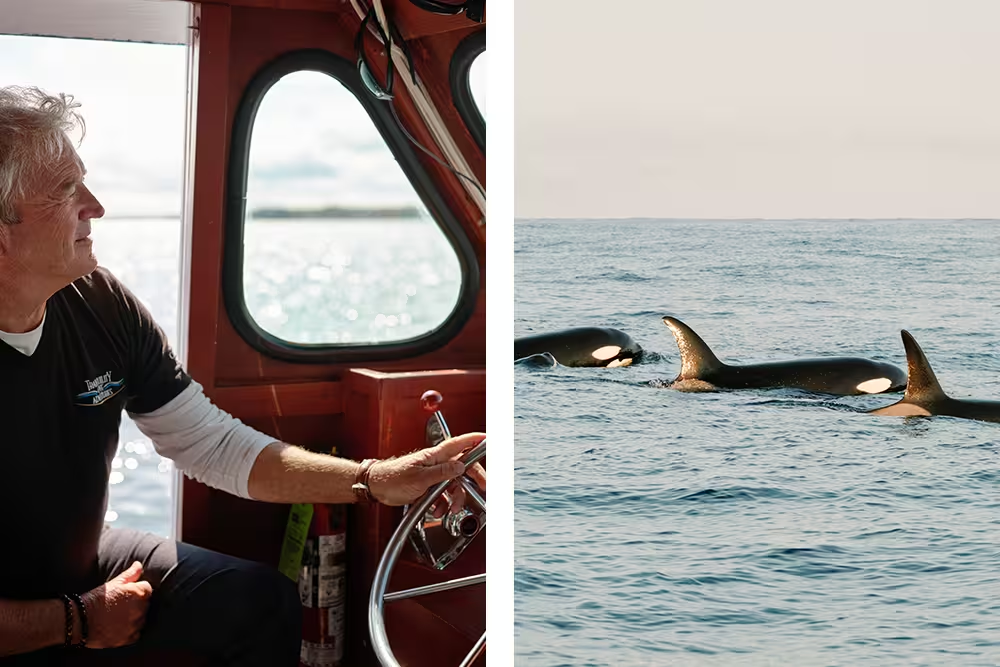
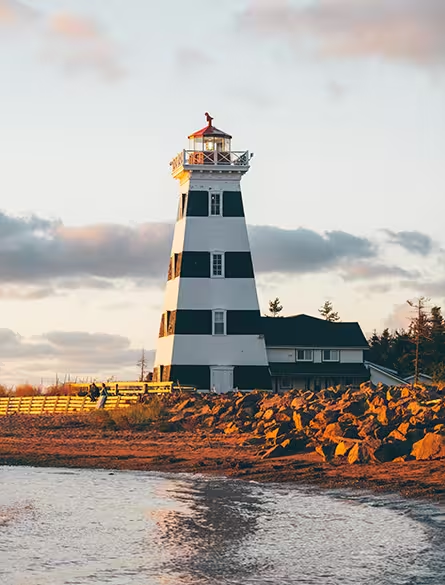
In Newfoundland and Labrador, icebergs are part of local tradition. Each spring season, boat and kayak excursions give people a unique vantage point to experience ancient icebergs. This is also the perfect place for whale watching, where humpbacks, orcas, gray whales, belugas, and blue whales are just some of the species swimming along the coast. A number of key whale migration routes intersect along the country’s shoreline, creating special opportunities to see them at certain times of year. Colder waters, like those of Fogo Island, allow you to view whales amidst the icebergs. Meanwhile on Prince Edward Island, a boat charter can take guests deep-sea fishing and ice-fishing for oysters—grilling the fresh catch right on board. On land, the East Coast Trail offers miles of paths along rocky shorelines, past lighthouses, over a suspension bridge, and near archeological digs. At Signal Hill National Historic Site, you can hike above St. John’s, Newfoundland while exploring the site’s military history, and be sure to visit Cape Spear Lighthouse National Historic Site—the oldest surviving lighthouse in Newfoundland and the most easterly point in North America.
For more on Atlantic Canada, see Ignacio Maza’s story about Where to Go in 2027.
More to Discover
Here, extraordinary experiences come naturally.
MORE STORIES
What to Read Next
What to Read Next
New & Noteworthy
Contributing travel writer Ignacio Maza shares his top 10 destinations for the new year.
Abroad & Beyond
The Michelin Guide arrives in South Australia, spotlighting its diverse food and wine culture.